 EN
EN DE
DE RO
RO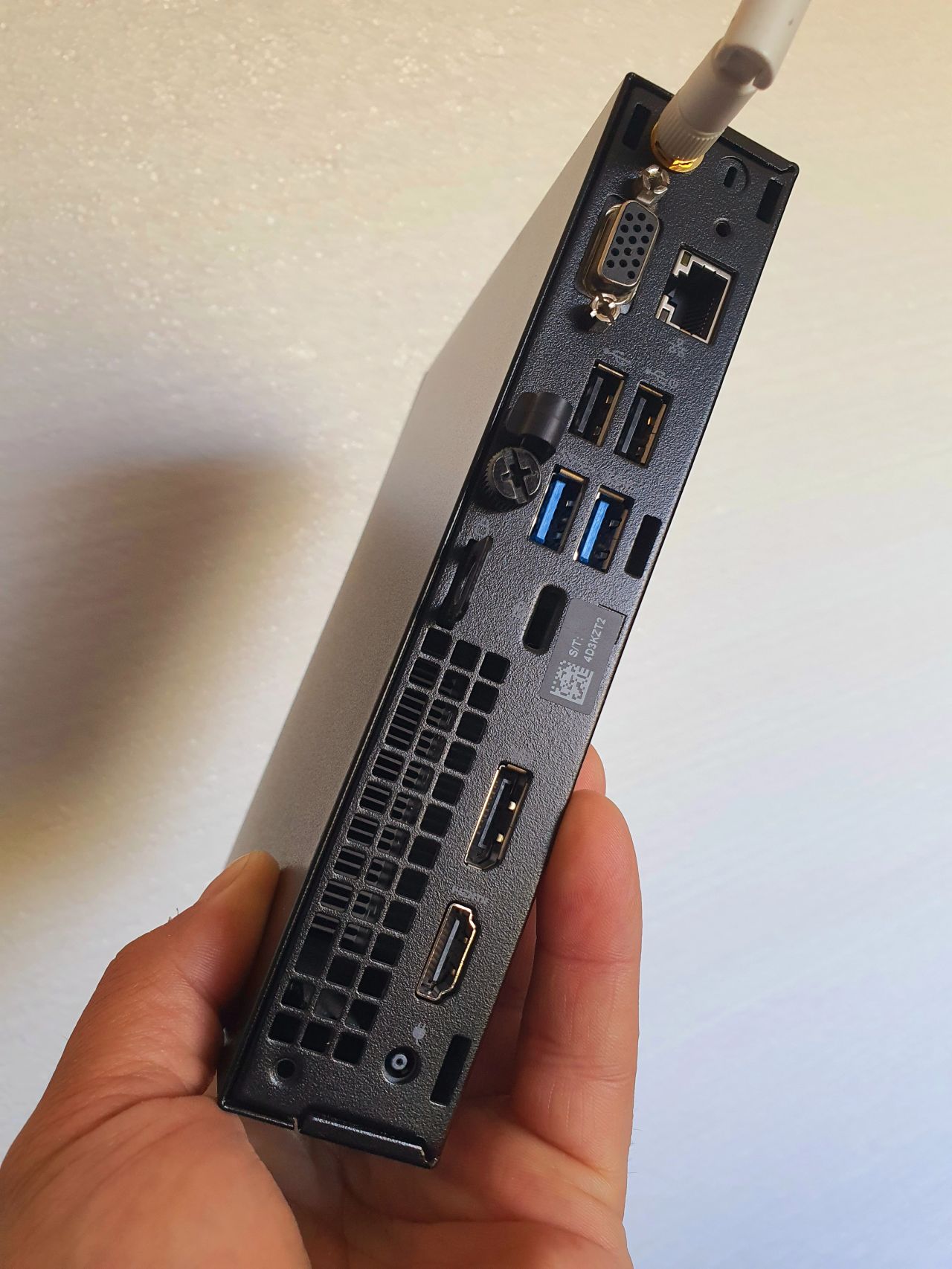
Do you have a server at home or in your business?
If not, why not? If yes, why?
When I say local server, I do not necessarily mean a large rack, expensive equipment, or a dedicated technical room. It can be a mini PC, a NAS, a Raspberry Pi, an Intel NUC, or even an older computer running a few useful services.
At a time when almost everything is moving to the cloud, a local server may seem outdated. But in practice, especially in a small infrastructure, it can become one of the most useful components.
A local server can be used for backups, files, automation, monitoring, security cameras, internal applications, testing, local databases, or integrating equipment that physically exists in the same location. It does not have to be complicated. What matters is having a clear reason for using it.
There are situations where it is not worth the effort. If you do not have a concrete need, if you do not make backups, if you do not update it, and if you do not know what is running on it, a local server can become more of a problem than a solution.
But if you have important data, repetitive processes, local equipment, or applications you want to control better, a small server can bring a lot of order. It can reduce dependency on external services, keep certain data inside your own location, and provide a good testing environment before moving something into production.
The cloud is useful. A local server is useful. But the combination of both, when designed properly, is often the most practical solution.
The real question is not necessarily “local server or cloud?”, but rather: what should I control locally, and what makes sense to externalize?
For important files, local backups, cameras, automation, and services that depend on equipment inside the location, a local server can make a lot of sense. For public access, scaling, high availability, and services that need to stay online at all times, the cloud may be the better choice.
In the end, good infrastructure is not the most modern or the most expensive one. It is the one that fits the real situation, can be maintained, and solves a concrete problem.
Or, put more simply: does it really make sense to send bits across the ocean and back for every mouse movement?