 EN
EN DE
DE RO
RO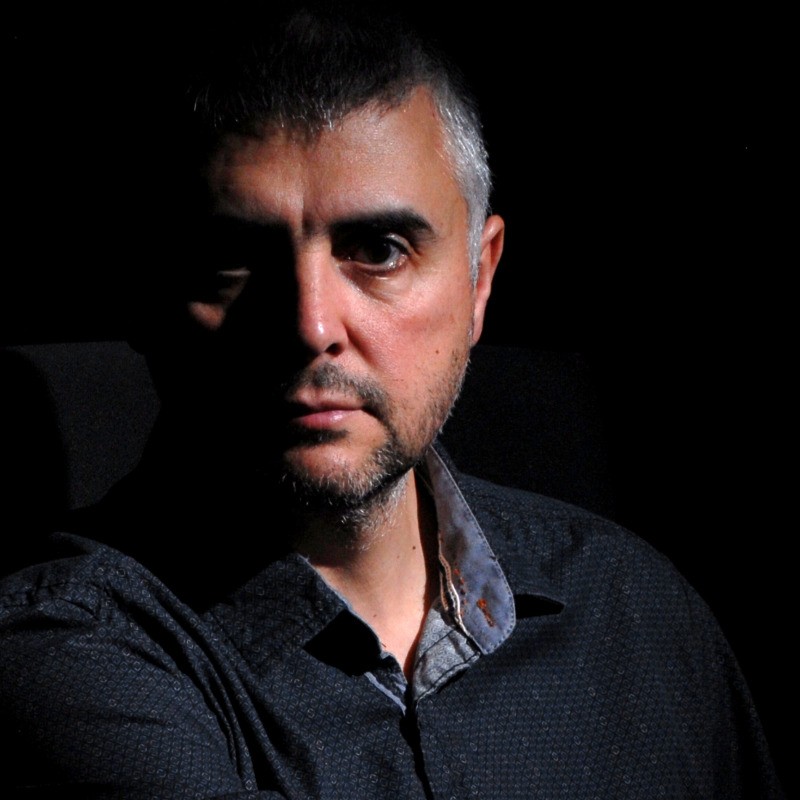
Contact
practical discussion – clear context – next step
If you have a technical idea, a system that needs to be connected, automated, improved, or tested, this is the right place to start.
I work on projects where hardware, software, infrastructure, automation, and practical implementation need to come together. The first message does not need to be perfect. A short description of the situation, the goal, and what already exists is enough to start a useful discussion.
Need a practical technical answer before building the wrong thing?
What you can contact me about
You can contact me for system integration, self-hosted infrastructure, automation workflows, small business digital systems, technical prototyping, or practical consulting around implementation.
The main value is not only in configuring one tool. It is in understanding the whole context: what should happen, what already exists, what can be reused, what needs to be connected, and what needs to be avoided before the system becomes unnecessarily complicated.
Emanuel Postolachi
Systems Integration & Solution Architecture
Remote collaboration, technical consulting, small business systems, prototype development, infrastructure setup, workflow automation, and practical implementation work.
- Romania / Austria / Remote
- Email: [email protected]
- LinkedIn: Emanuel Postolachi
System Integration
Connecting tools, devices, workflows, infrastructure, and existing systems into something that works as a whole.
Automation & Workflows
Practical automation for repetitive processes, internal tools, notifications, data flows, reporting, and business operations.
Self-hosted Infrastructure
Docker, VPS, WordPress, Nextcloud, n8n, monitoring, backups, domains, subdomains, and small-scale digital infrastructure.
AI Integration
AI used where it can save real time: document search, internal assistants, structured knowledge bases, API actions, triage, summaries, and workflow support.
Smart Home & Low-level Automation
OpenHAB, ESP32, sensors, relays, local networks, control logic, IoT devices, and practical automation setups that need to work reliably.
Technical Prototyping
From idea to proof of concept: testing, wiring, building, configuring, documenting, measuring, and improving before a larger investment.
How to start
To make the first discussion useful, send a short message with the practical context. It does not need to be polished. What matters is the real situation.
- What problem are you trying to solve?
- What already exists?
- What should the system do?
- Is this for a business, personal project, or prototype?
- Do you need advice, implementation, troubleshooting, or a complete setup?
- Are there constraints such as budget, deadline, existing tools, or data protection?
A good first message can be simple
We have a small business and we lose time moving data between tools. We use WordPress, spreadsheets, email, and a basic accounting workflow. I want to understand what can be automated and what should stay manual.
From this, we can already define the first useful step: audit, concept, prototype, or implementation.
How I usually work
1 – Understand the context
I first try to understand the real situation, not only the technical request. A useful solution depends on the goal, the constraints, the existing tools, and the people who will use the system.
2 – Identify the shortest practical path
The goal is to find a solution that can be tested quickly, without overcomplicating the first version. In many cases, the best first step is a small working setup, not a large theoretical plan.
3 – Build or configure a working setup
Depending on the project, this can mean infrastructure, automation, hardware integration, documentation, a web platform, an AI-assisted workflow, or a prototype that can be tested in real use.
4 – Test, adjust, and improve
A useful system is not only built once. It needs to be tested in real conditions, corrected where it fails, documented well enough, and improved where the next step brings real value.
Before we work together
I prefer clear, practical collaboration. The goal is to avoid vague technical work and define a useful next step: a diagnosis, a small prototype, a setup, a migration, an automation, or a documented plan.
For small projects, the first step can be simple: one focused call, one technical review, or one short implementation sprint. For larger projects, we can define scope, risks, milestones, and maintenance from the beginning.
Best fit
- You need someone who can connect multiple technical areas.
- You want a practical solution, not only advice.
- You have tools, devices, data, or processes that need to work together.
- You need a first version that can be tested and improved.
- You prefer clear steps, ownership, and documentation.
Have a project, idea, or technical problem?
Send me a short message with the context and I will reply with the next practical step.